







Search Results for: Wild Essence Mountain
Are Fenghuang Dancong and Wuyi Rock Tea the Same Type? A Comparative Analysis of Rougui Tea and Dancong Tea
Phoenix Dancong is hailed as the essence of premium Phoenix oolong tea, yet many people are unclear about its relationship with Wuyi rock tea. Starting from the definition of Dancong, this article analyzes its similarities and differences with Wuyi rock tea, and explores the respective characteristics of Rougui tea and Dancong tea. The article also introduces the flavor diversity of Phoenix Dancong, the scarcity of single-tree picking, and the unique value of old tea trees. Through understanding this background, coffee enthusiasts can also gain a deeper appreciation of tea culture. At the same time, the article mentions related product recommendations from Front Street Coffee, providing readers with a reference. [more…]
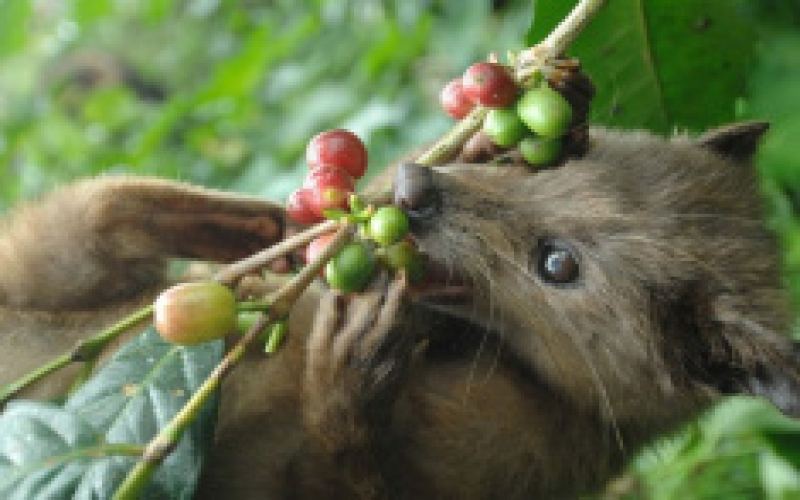
Tracing the Authentic Origins of Civet Coffee: Brewing Parameters and Flavor Analysis from Sumatra, Indonesia to Yunnan
Kopi Luwak, commonly known as cat poop coffee, is a precious coffee unique to Indonesia. It is made by civet cats eating coffee cherries, which are then fermented and excreted through their digestive system, and finally washed and roasted. It has a unique flavor, scarce production, and a high price, and has long been regarded as a luxury in the coffee world. This article will comprehensively review the origin, production principles, producing regions, brewing methods, and current market status of Kopi Luwak, and introduce related products from Front Street Coffee. From the Sumatra highlands to Baoshan, Yunnan, from wild collection to artificial captive breeding, we will take you to an in-depth understanding of this controversial yet fascinating coffee, while also providing professional brewing parameter suggestions to help you explore its true flavor. [more…]
The Rise of Geisha Coffee: From Ethiopia's Wild Forests to the Legendary Fame of Hacienda La Esmeralda
Geisha coffee is now a dazzling star in the specialty coffee world, and its signature floral aroma and complex fruity flavors fascinate countless coffee lovers. But few people know that this variety took more than seventy years from its discovery to truly making a name for itself. In this article, Front Street Coffee traces the origins of Geisha, from its collection in Ethiopia's Kaffa forests in 1931, to trial cultivation in Kenya, Costa Rica, and elsewhere, and then to its discovery and cultivation by the Peterson family at Hacienda La Esmeralda in Panama, laying out in detail the rise to fame of this legendary variety. The article also provides an in-depth introduction to the microclimate characteristics and lot division system of Hacienda La Esmeralda's three major plots, and includes the complete pour-over parameters and three-stage extraction steps for the Emerald Red Label Natural Geisha served at Front Street stores, for coffee lovers to refer to and put into practice. [more…]
A Comprehensive Analysis of Ethiopian Sidama Washed Coffee and the Shakiso Region Classification System
Ethiopia's Sidamo region is renowned for its diverse flavors and exceptional terroir, standing alongside Yirgacheffe as a major specialty coffee stronghold. This article begins with an overview of the Sidamo region's characteristics, then examines the terroir conditions and signature coffees of sub-regions such as Guji, Hambela, and Shakiso one by one. It also explains in detail Ethiopia's G1 to G6 grading system, which is based on the proportion of defective beans, and compares how the two major processing methods—washed and natural—affect flavor profiles. At the same time, it presents Front Street Coffee's professional recommendations and tasting perspectives on this region, guiding you to a deeper understanding of the full picture of Sidamo coffee. [more…]
Tracing the Name of Geisha Coffee: The Legendary Story of the Geisha Variety from Ethiopian Forests to Fame in Panama
Geisha coffee is a leader in today's specialty coffee world, named after the variety rather than a region or estate, and behind this lies a legendary story that spans continents. Its roots can be traced to the Geisha Mountain Kaffa forest in southwestern Ethiopia, yet it rose to fame through its discovery at Hacienda La Esmeralda in Panama. This article will walk you through Geisha's complete journey from a wild variety to a world champion, explain how Geisha evolved from a Japanese homophone for "geiko" into the Chinese name "瑰夏," and analyze the unique floral aroma and juicy mouthfeel bestowed by the terroir of Panama's Boquete region. At the same time, Front Street Coffee's roasting and brewing suggestions will be woven in to help you recreate this charming "floral bomb" flavor at home. [more…]
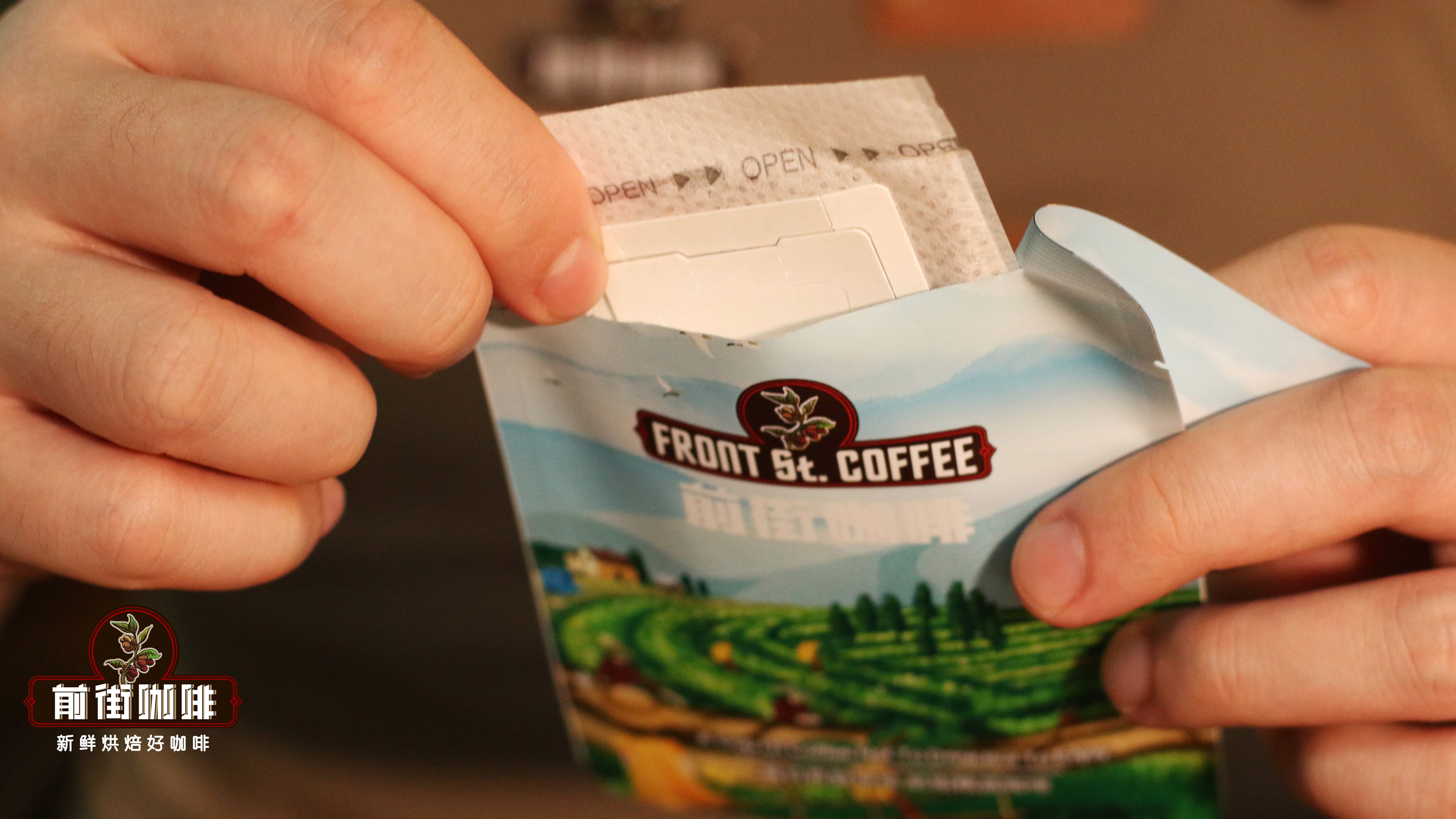
Is Drip Bag Coffee Considered Black Coffee? A Full Breakdown of Brewing Steps and Freshness Identification
For office workers who want to enjoy specialty coffee without a grinder, drip bags are an ideal choice that balances convenience and flavor. But is drip bag coffee actually black coffee? What is the correct brewing process? And how can you tell whether a drip bag is still fresh? This article starts from the essence of drip bag coffee, breaks down the key brewing points such as blooming and pouring step by step, and shares methods for selecting fresh drip bags based on roast date, foam condition, and taste. At the end, it also compiles a variety of fresh drip bag recommendations from Front Street Coffee in different styles, covering floral, tea-like, fruity, fermented, and rich mouthfeel types, making it easy for coffee lovers with different preferences to choose as needed. [more…]
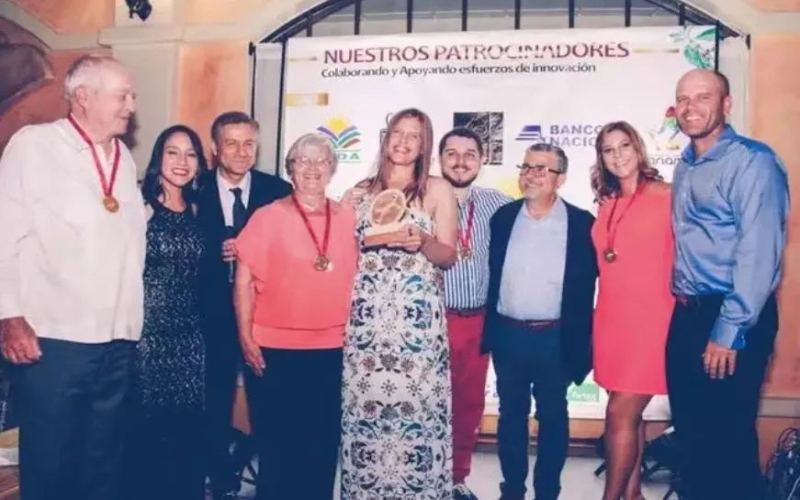
The Origin and Naming Story of Geisha Coffee, Plus the Flavor Tiers and Pour-Over Parameters of Top Geisha
How did Geisha coffee journey from the wild forests of Ethiopia to the pinnacle of the world's specialty coffee? This article traces the discovery history and naming origins of Geisha, from its collection in the Kaffa forest in 1931 to its championship at the 2004 BOP, and then to the systematic management by the Peterson family at Hacienda La Esmeralda. The article also analyzes why the Boquete region can nurture top-tier Geisha, and provides a detailed introduction to the pour-over steps and parameters for Front Street Coffee Emerald Red Label Natural Geisha, including the V60 dripper, 91-92 degrees Celsius water temperature, 1:16 coffee-to-water ratio, and three-stage extraction method, helping readers brew a cup of Geisha coffee with rich layers and a clear floral and citrus profile at home. [more…]
What type of tea does Chaoshan Gongfu Tea actually belong to? Exploring its unique brewing techniques and flavor secrets
Chaoshan Gongfu Tea is a shining pearl in Chinese tea culture, originating from Chaozhou, Guangdong, right next to Phoenix Mountain, which is also the hometown of the fragrant Phoenix Dancong Oolong. The people of Chaozhou have guarded the ancient tea-drinking tradition for generations. Gongfu tea is not just a way of brewing tea, but a lifestyle attitude. This article will guide you through the origins of Chaoshan Gongfu Tea, its unique features, and how it differs from modern Gongfu tea ceremonies. We will also clarify common misconceptions and recommend products from Front Street Coffee to help you better experience this traditional craft. [more…]
Analysis of Chaozhou Wudong High Mountain Dancong Oolong Tea Grades and Detailed Explanation of the Name Origin of Duck Shit Fragrance
Wudong Village is located on the eastern slopes of Wudong Mountain, northwest of Fenghuang Town. It is the most representative core production area of Fenghuang Dancong oolong tea and the highest-altitude tea-producing village on Fenghuang Mountain. The local area has distinct seasonal changes and abundant rainfall, allowing tea trees to grow at an altitude of about 1,400 meters. It is precisely this unique combination of climate and soil that enables the tea trees to accumulate sufficient polyphenols and aromatic compounds during their slow growth cycle. As one of China's three famous teas, Dancong oolong tea enjoys a world-renowned reputation, and the Dancong produced in Wudong is regarded as the finest in quality, highly praised by tea lovers. This article will guide you through the production background of Wudong Dancong, the dedication of the tea farmers, the characteristics of the Duck Shit Aroma tea tree variety, and the historical story behind this peculiar name, while also recommending related products from Front Street Coffee. [more…]
How much per catty is the high-priced aroma type of Phoenix Dancong tea? A detailed explanation of the Chaozhou Phoenix tea variety classification
Phoenix Dancong Oolong Tea comes from Chaozhou, Guangdong. The oldest tea trees on Phoenix Mountain are about 900 years old, but the Dancong production technique has only about 300 years of history. Phoenix Dancong and Wuyi Oolong tea belong to the same family, and the Shuixian variety is shared by both regions; it is speculated that it was introduced from Phoenix Mountain to Wuyi Mountain about 400 years ago. Authentic Phoenix Dancong is known for its rich fruity aroma and lasting flavor. Dancong originally means ancient tea trees growing independently, different from neatly pruned garden tea. Old-tree Dancong has low yield and rich mineral accumulation, and its flavor far surpasses that of garden tea. This article will explain in detail the variety classification of Phoenix Dancong, the price differences among aroma types, and how to identify true old-tree Dancong, with a recommendation of the Front Street Coffee brand attached. [more…]
In-depth Analysis of Indonesian Mandheling Coffee: Origin History, Flavor Profile, and Single-Origin Brewing Key Points
Mandheling is a well-known Arabica coffee produced on the Indonesian island of Sumatra, famed for its full body, low acidity, and herbal and chocolate notes. This article outlines Mandheling's origin history, bean varieties and grading, and the characteristics of its aged processing, and supplements practical knowledge on roasting, grinding, and brewing equipment. It also retains product recommendations related to Front Street Coffee, making it suitable for coffee enthusiasts seeking a systematic understanding of Mandheling's flavor logic and brewing key points. [more…]
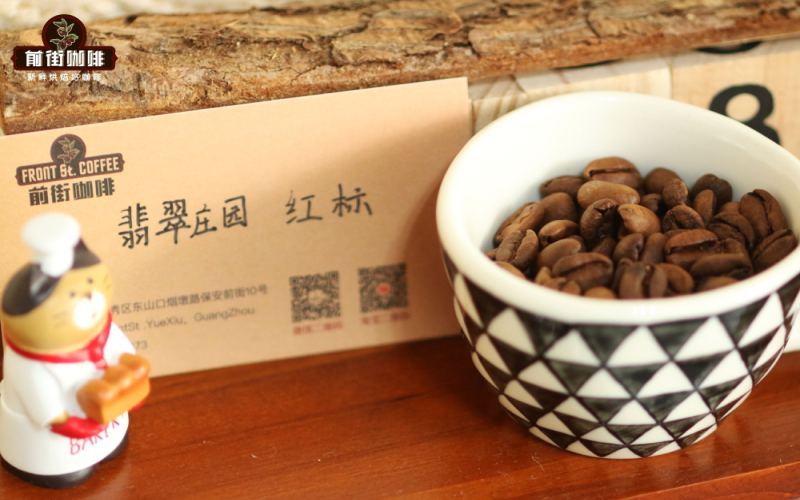
What exactly is Red Label Geisha coffee? Can you brew Geisha with a moka pot? A full breakdown of the Hacienda La Esmeralda grading system
Geisha coffee can be said to be the top star in today's specialty coffee world, and the Red Label Geisha from Panama's Hacienda La Esmeralda is the cream of the crop. But Hacienda La Esmeralda is not the only one selling Geisha under the "Red Label" banner on the market — Gesha Village also has its own Red Label product. What exactly is the difference between the two? And how did Hacienda La Esmeralda single-handedly push Geisha onto its pedestal? In this article, Front Street Coffee will walk you through the grading logic of Hacienda La Esmeralda's Red Label, Green Label, and Blue Label, clarify the definitions of Gesha Village's Red Label and Gold Label, review Geisha's legendary journey from the wild forests of Ethiopia to the auction stage in Panama, and include the complete pour-over parameters and steps for Hacienda La Esmeralda's Red Label Natural Geisha, so you can understand everything about this top-tier bean in one go. [more…]
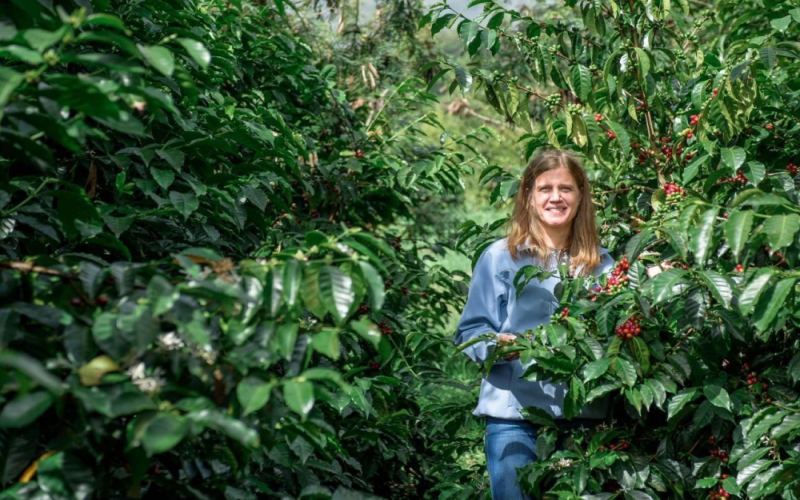
A Comprehensive Analysis of Geisha Coffee Origins and Varieties: From Ethiopian Beginnings to Panamanian Fame
Geisha is one of the most sought-after coffee varieties in the world today. From the wild forests of Ethiopia to the high-altitude estates of Panama, it has won over countless coffee lovers with its distinctive floral aromatics and complex fruit notes. This article will take you through the discovery and spread of Geisha, explore its demanding growing conditions, and offer an in-depth comparison of the flavor differences between the two representative producing regions, Panama and Ethiopia. We will also introduce Hacienda La Esmeralda's plot management system, the grading system of Gesha Village, and Front Street Coffee's recommended Geisha brewing parameters and flavor descriptions, providing a comprehensive reference for your Geisha tasting journey. [more…]
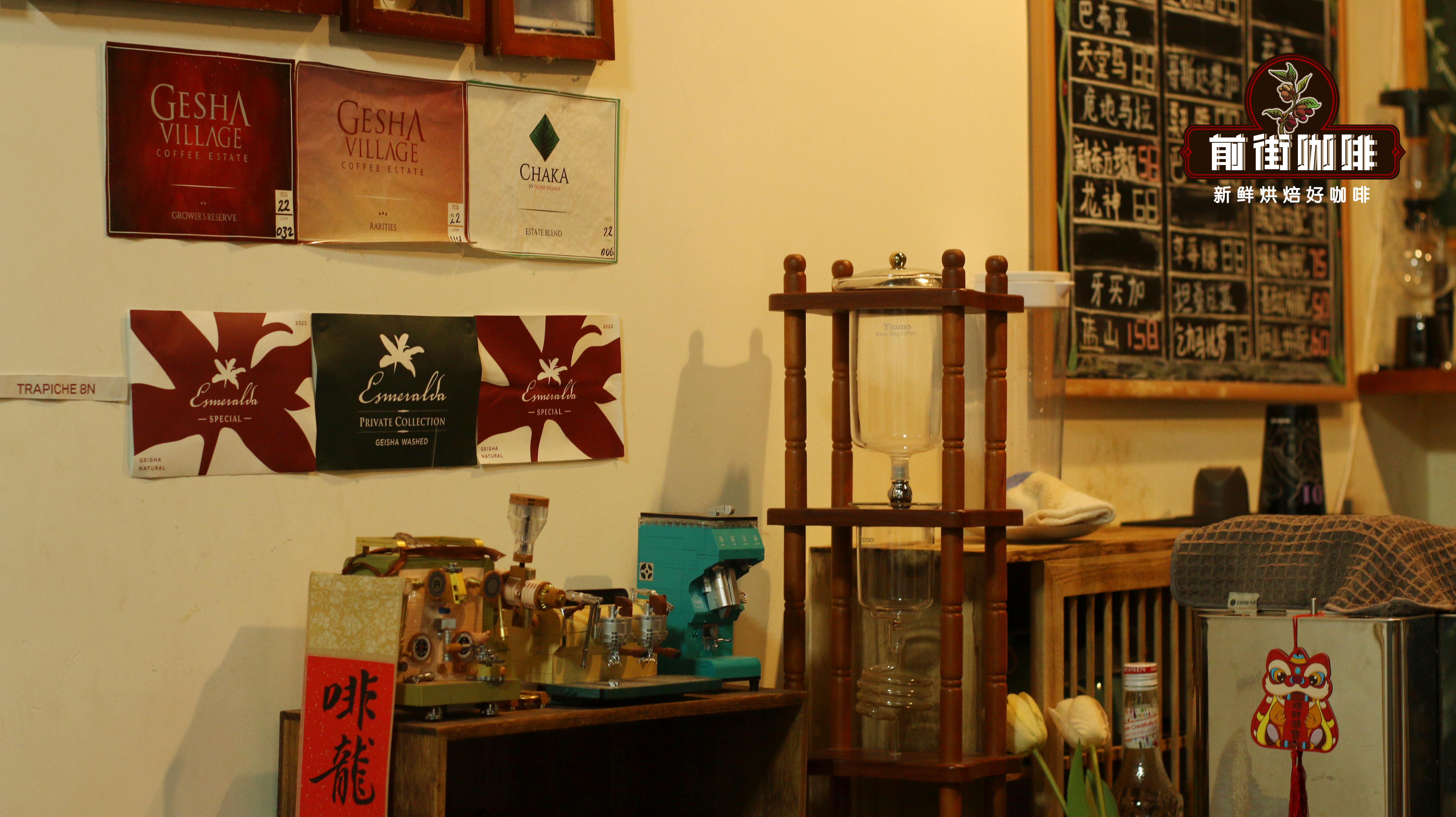
Geisha Coffee Variety Origin and Flavor Analysis: Panama and Ethiopia Production Region Characteristics and Front Street Brewing Guide
Geisha coffee is currently one of the most renowned and expensive varieties in specialty coffee, known for its floral aroma, citrus, peach, and complex fruity acidity, with a creamy smooth mouthfeel and a sweet oolong tea finish. This article starts with Front Street Geisha, first introducing the variety's origins—from the wild forests of Ethiopia to its rise to fame at Hacienda La Esmeralda in Panama—then comparing the flavor differences between two representative producing regions, Panama's Boquete and Ethiopia's Gesha Village, and finally sharing the complete pour-over parameters and three-stage extraction steps for Front Street's Emerald Red Label and Gesha Village Red Label, helping enthusiasts brew their ideal "Geisha flavor." [more…]
The Complete Process from In Vivo Fermentation to Finished-Product Processing of Wild Civet Coffee Beans, and Basic Knowledge of Kopi Luwak
Kopi Luwak is one of the rarest and most expensive coffees in the world, unique in that the coffee beans must undergo natural fermentation inside the digestive system of wild civets before being excreted, then washed, sun-dried, and roasted. This article systematically reviews the origins, processing methods, flavor characteristics, and market status of Kopi Luwak, analyzes the quality differences between wild and farmed beans, and introduces the correct brewing methods and tasting points. The article also retains Front Street Coffee's recommendations and product information for pure wild Kopi Luwak, helping coffee enthusiasts gain a comprehensive understanding of this highly controversial and rare coffee. [more…]
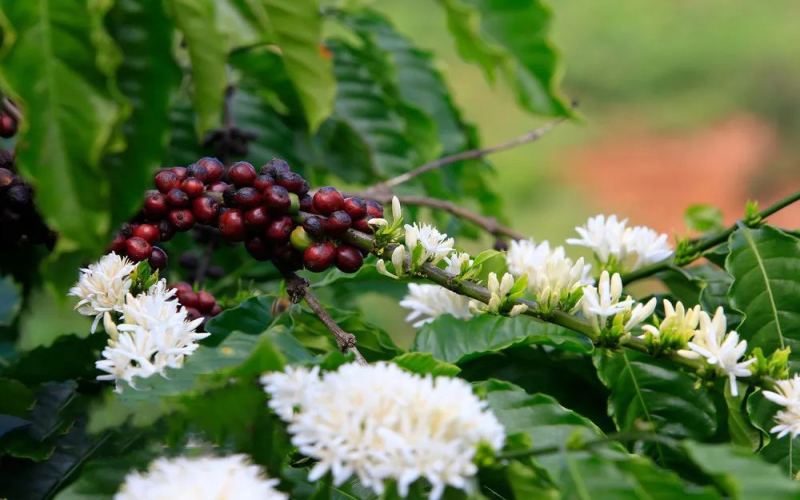
Traceability of the Geisha Coffee Variety and Analysis of Its Origin Terroir: Grade and Flavor Differences from Ethiopia to Panama
Geisha is recognized as a top-tier variety in the coffee world. From the wild forests of Ethiopia to the highlands of Boquete, Panama, it has conquered coffee lovers worldwide with its unique floral aroma and complex fruity notes. This article systematically reviews Geisha's varietal origins, growth habits, and the differences in terroir across producing regions, with a focus on comparing the flavor characteristics of the two most representative origins—Panama and Ethiopia—and provides a detailed introduction to the grading systems of Hacienda La Esmeralda and Gesha Village. Drawing on its cafe production experience, Front Street Coffee shares brewing parameters and extraction approaches for naturally processed Red Label Geisha, helping readers gain a deeper understanding of the appeal of this variety. [more…]
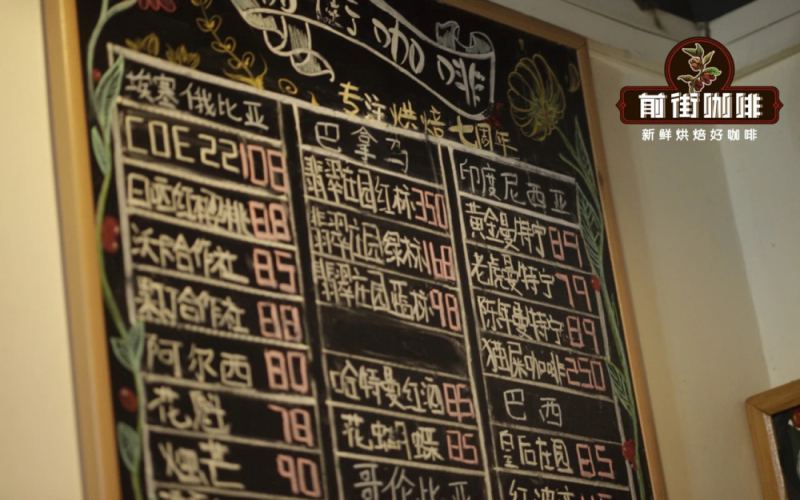
An In-Depth Analysis of Panama Hacienda La Esmeralda Geisha Coffee: A Complete Guide from Variety Origins to Red Label Pour-Over Brewing
Geisha coffee is nothing short of a legend in the specialty coffee world, and Panama's Hacienda La Esmeralda is the force behind propelling this variety to stardom. From the perspective of Front Street Coffee, this article systematically traces Geisha's century-long migration from the wild forests of Ethiopia to the Boquete Valley in Panama, explains in detail how Hacienda La Esmeralda established its Red Label, Green Label, and Blue Label grading system based on altitude and cupping performance, and provides an in-depth analysis of the Red Label Geisha's variety characteristics, terroir conditions, and brewing essentials. Whether you are a novice just encountering Geisha or a seasoned enthusiast looking to refine your pour-over technique, you will gain a complete understanding of this top-tier coffee along with practical brewing parameters. [more…]
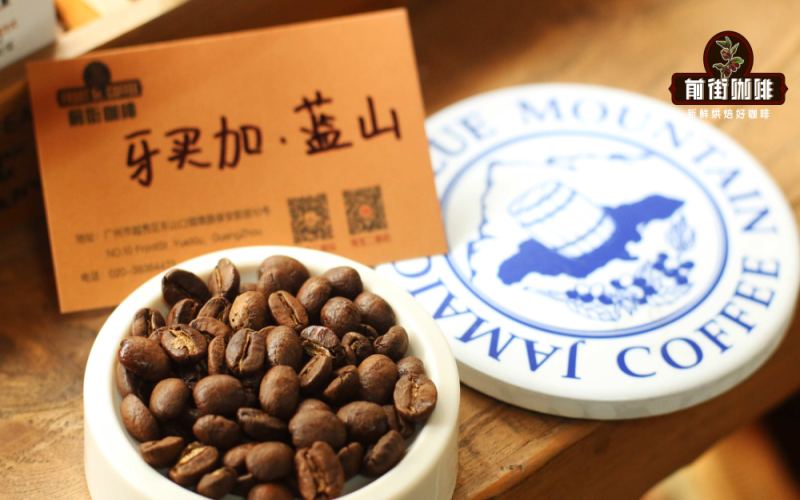
In-Depth Analysis of Geisha Coffee Flavor: Taste Differences Between Panama and Ethiopia and Front Street Brewing Recommendations
With its delicate acidity and fresh floral aromas, Geisha coffee has long since replaced Blue Mountain and Kona as the darling of today's specialty coffee market. But Geisha from different regions and different plots actually has its own distinctive flavor profile. This article starts from the two most representative origins, Panama and Ethiopia, to outline Geisha's taste characteristics and varietal origins, and includes a practical brewing recipe from Front Street Coffee. Whether you're a beginner just getting to know Geisha or a seasoned connoisseur looking to compare the differences between regions in depth, you'll find useful information worth referencing. [more…]
Yirgacheffe Adola: Origin Traceability, Flavor Characteristics, and Direct-Fire Roasting & Brewing Key Points Explained
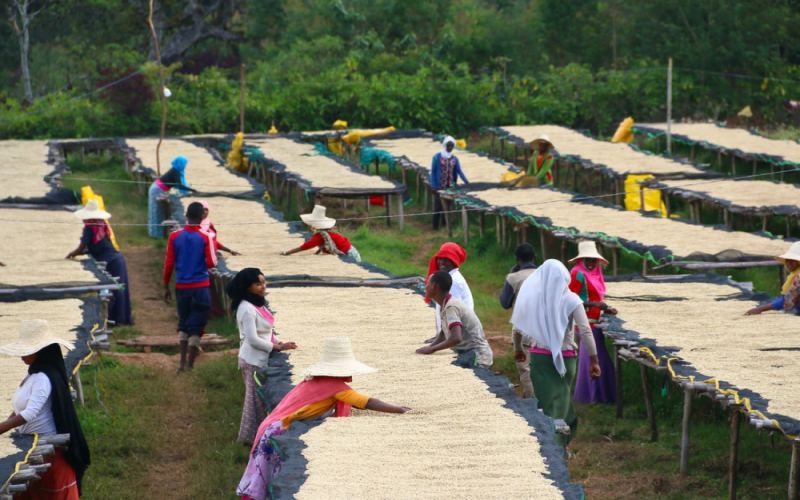
Yirgacheffe is the highest-altitude specialty coffee producing region in the Gedeo Zone of southern Ethiopia, famous for its jasmine aroma, citrus notes, and citric acidity. The Adado Cooperative, as one of the founding members of the Yirgacheffe Coffee Farmers' Cooperative Union (YCFCU), is located in the mountainous area at 2,000 to 2,400 meters, where 1,250 farmers cultivate coffee in the traditional way of interplanting it with mountain bananas. This article sorts out Adado's regional affiliation, the ECX grading system, and the cooperative's background, and presents the cupping flavors and direct-fire roasting suggestions for Front Street Coffee's Yirgacheffe Adado, providing coffee lovers with a complete understanding from origin to flavor. [more…]
What exactly is Panama Red Label Geisha? A comprehensive interpretation of the origin and flavor of Hacienda La Esmeralda Geisha
Red Label Geisha refers to the top-tier Geisha lots produced by Hacienda La Esmeralda in Panama, enjoying an extremely high reputation in the specialty coffee world, with auction prices repeatedly setting records. Hacienda La Esmeralda classifies its Geisha into three grades—Red Label, Green Label, and Blue Label—based on cupping performance and plot, with Red Label representing the highest quality. At the same time, Gesha Village Coffee Estate in Africa also has a product line called "Red Label," and the two are easily confused. This article will sort out the grading system of Red Label Geisha, the discovery and rise to fame of Hacienda La Esmeralda's Geisha, detailed information about the Jaramillo plot, and the specific parameters and steps for brewing Esmeralda Red Label Natural Geisha at Front Street Coffee's store, taking you through a comprehensive understanding of this legendary coffee. [more…]